
Bangkok can feel fast. There are trains, traffic, markets, temples, shopping centres and people moving everywhere. But sometimes you find a place that quietly changes the speed of your day.
For me, the National Museum Bangkok was one of those places. I went there expecting to see historical objects, sculptures and traditional Thai art. I did see all of those things, but the visit became more personal than I expected.
Some rooms made me curious. Some made me feel calm. In some rooms, I naturally became quieter because the atmosphere made me feel respect for the objects and for the people and history connected to them.
And there was one sculpture that touched me more than everything else I saw that day: Ganesha.
Starting My Journey at Sanam Chai MRT
I started by taking the MRT to Sanam Chai Station. Instead of taking another ride directly to the museum, I decided to walk.
The walk took me around 30 minutes, but it did not feel like wasted time. Actually, it became part of the visit.
This part of Bangkok is already full of history. While walking, I could see areas around the palace, local markets, traditional buildings and normal Bangkok life happening beside places that have been important for generations.
I liked this way of arriving because the museum did not suddenly appear as a separate attraction. It felt like I was slowly walking deeper into Bangkok's historic area before finally reaching the entrance.
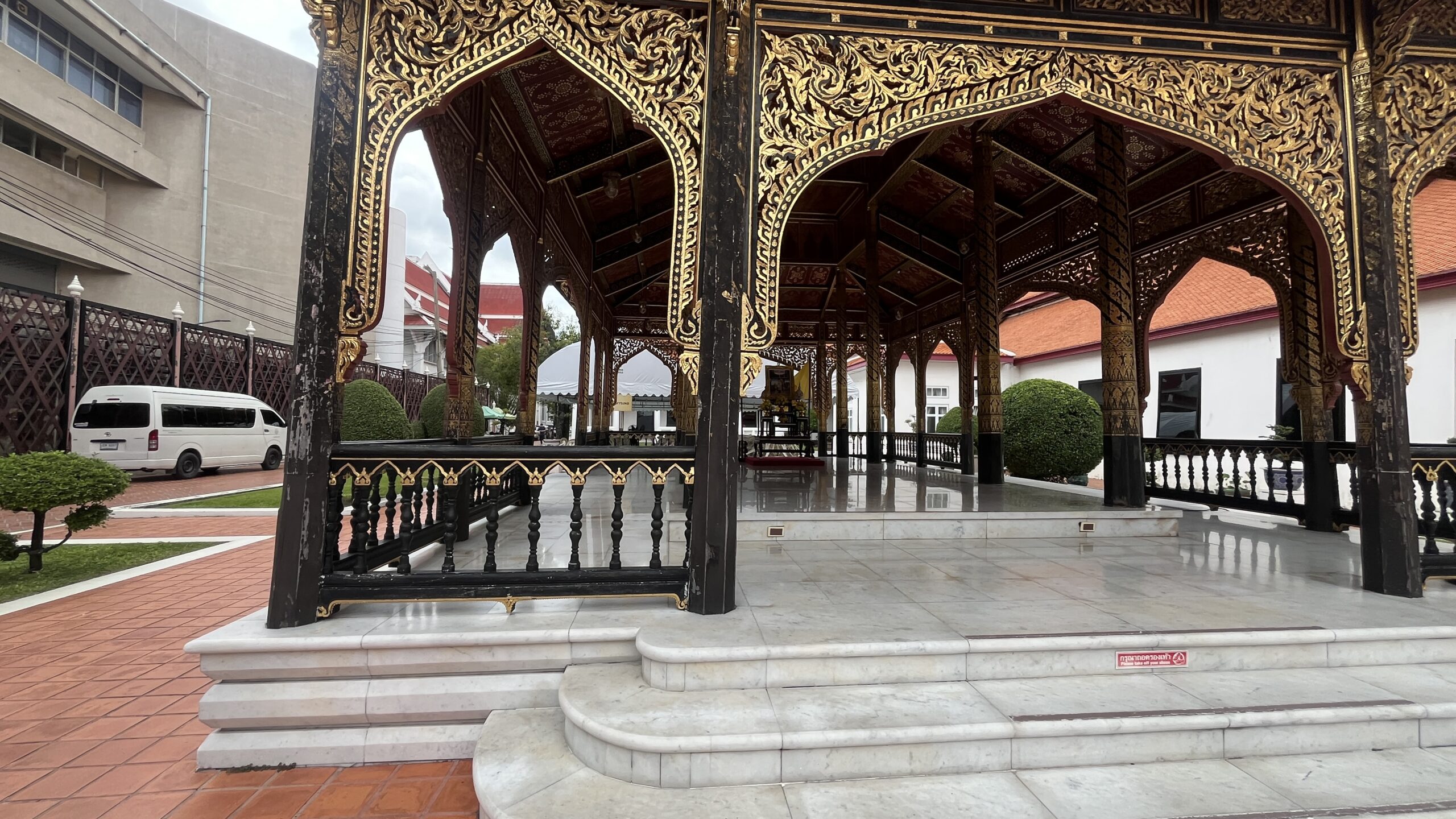

Arriving at the National Museum Bangkok
After reaching the museum, I paid the entrance fee and went inside without planning every room in advance.
I think this was a good way to experience it.
There is so much to see that trying to understand everything immediately would probably make the visit tiring. Instead, I simply walked, looked, stopped whenever something caught my attention, and continued when I was ready.


The First Rooms Already Felt Different
One of the first things I noticed was how different every gallery could feel. Some rooms were dark and dramatic. Others were bright and open.
There were large sculptures, carved stone pieces, religious figures and decorative objects. Some pieces were impressive immediately because of their size. Others only became interesting when I moved closer and noticed the details.


This was when I started to understand that the National Museum Bangkok is not a place where you simply look at one collection and leave. It is more like travelling through many parts of Thai history, art and belief one room at a time.
Small Details That Make You Stop
Some of the most beautiful objects were not the largest ones.
The decorated cabinets, colourful containers and detailed patterns showed an incredible amount of patience and skill. Looking at them closely, I kept noticing tiny lines, repeated shapes, gold decoration and careful handwork.
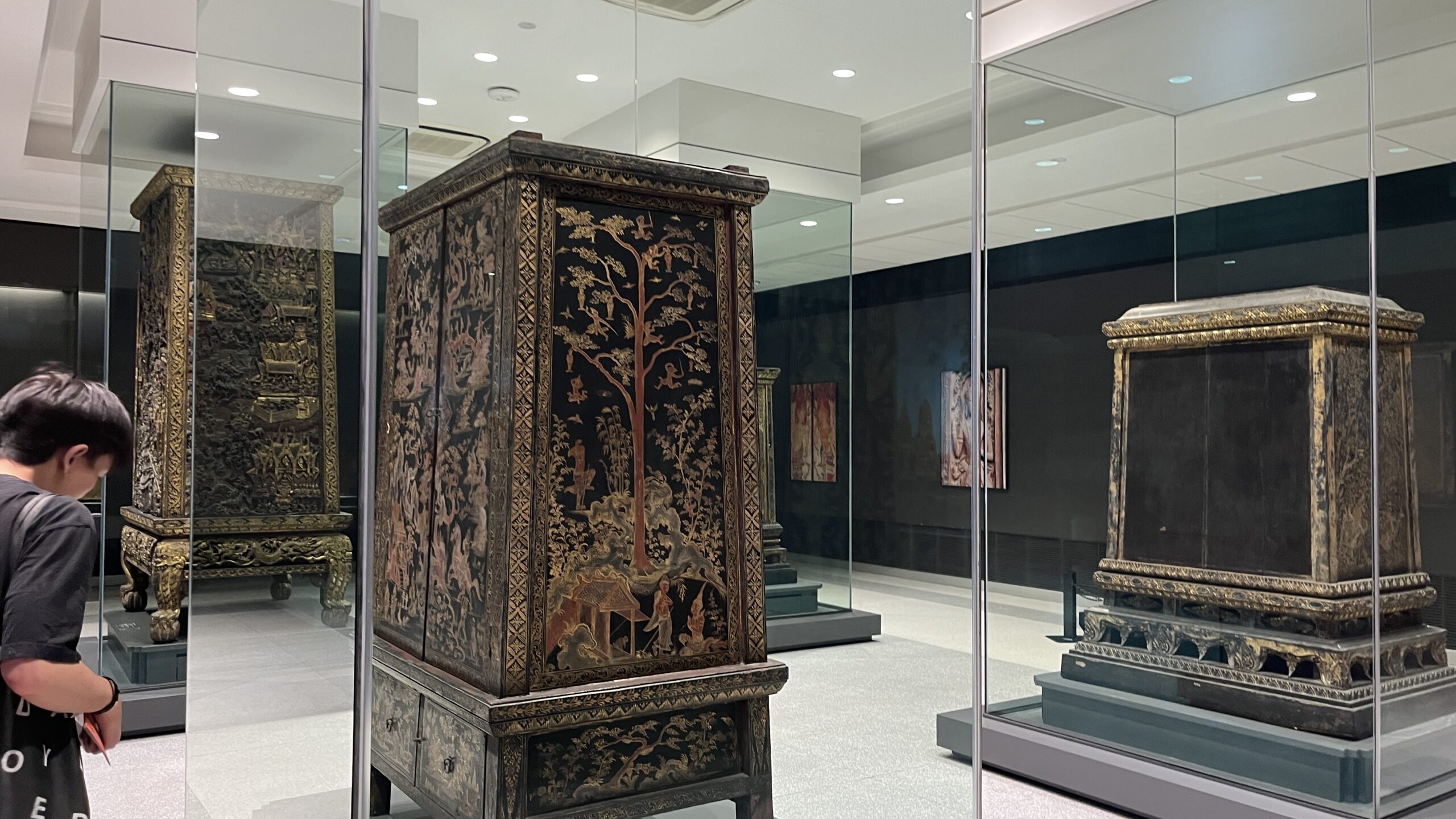

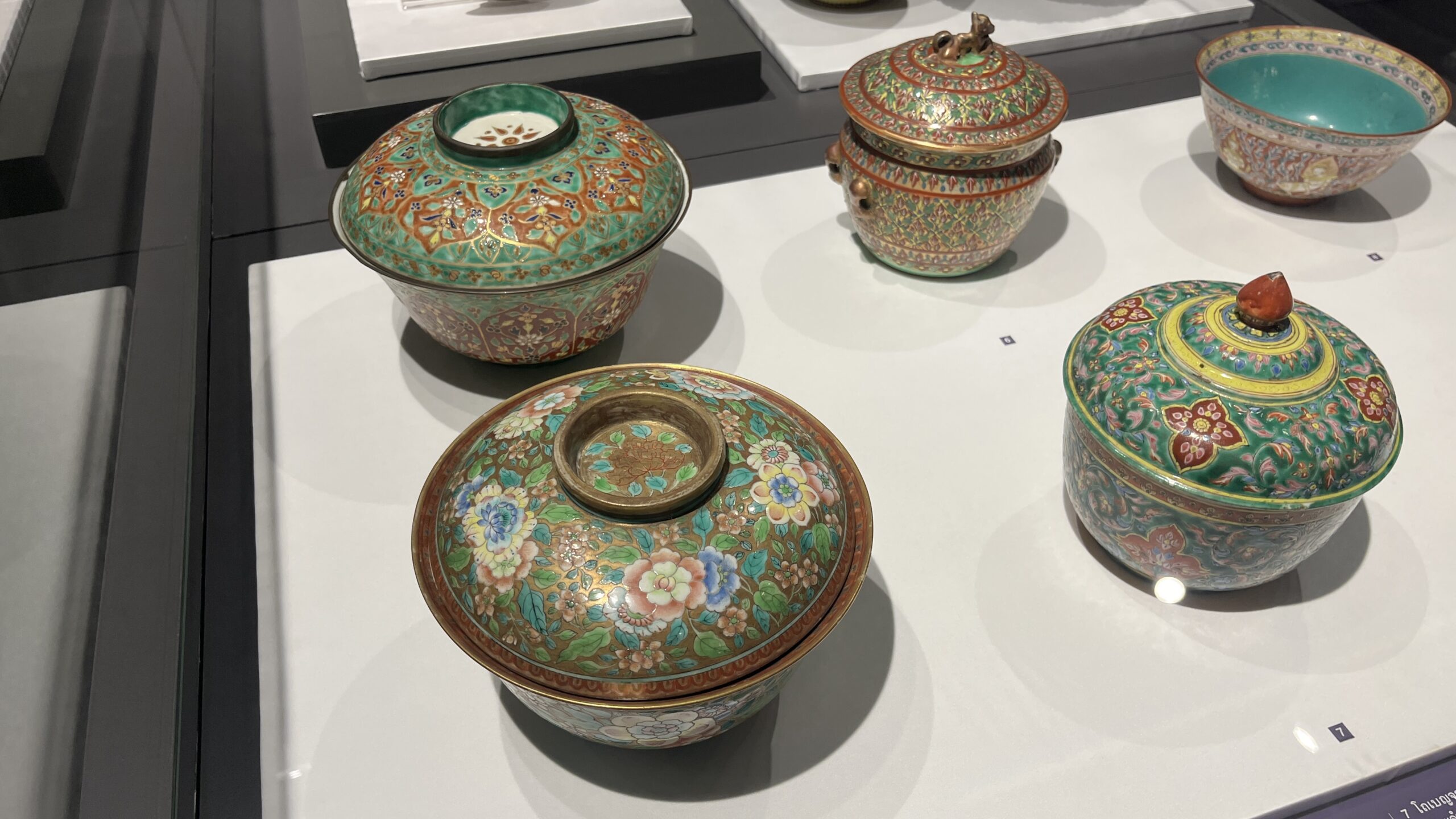
A photograph can show you the whole object, but standing in front of it feels different. Your eyes start moving from one detail to another.
Sometimes I forgot about the rest of the room because one small pattern was enough to keep my attention.
Royal Art, Boats and Ceremonial Beauty
Another part that stood out to me was the collection connected to royal and ceremonial traditions.
The detailed boat models were especially beautiful. They are long, colourful and filled with tiny decorative elements. Even in model form, you can imagine how impressive royal ceremonies must have looked.


The Ganesha Sculpture That Touched My Heart
Among everything I saw at the museum, this was the moment that stayed with me most.
I want to speak about this with respect.
Before this visit, I already felt that Ganesha had somehow called my attention towards this place. I do not want to explain that feeling as a fact or tell anyone else what it should mean. It was simply something very personal that I carried with me when I came to the museum.
When I finally stood in front of the Ganesha sculpture, I did not feel excitement in the same way I might feel when seeing something famous. Instead, I became quiet.
The feeling was calm, gentle and respectful.
I looked at the face, the shape of the sculpture and the peaceful way it seemed to sit within the room. After walking past so many remarkable objects, this was the one that made me stop without thinking about where I needed to go next.

I stood there with respect and gratitude.
I was not there to ask for anything. I did not feel that I needed to. The moment itself already felt enough.
I simply felt thankful that my journey had brought me there and that I had the chance to see the sculpture with my own eyes.
Museums normally make us think about history, dates, cultures and objects. But sometimes one piece reaches us in a different way. We may not even be able to explain exactly why.
For me, Ganesha was that piece.
Out of everything I photographed that day, this is the image and feeling I carried home most clearly.
Walking Through Centuries of Sculpture
After that quiet moment, I continued through galleries filled with sculptures and archaeological objects.
There were Buddha images, religious figures, carved stone panels and objects from different periods.
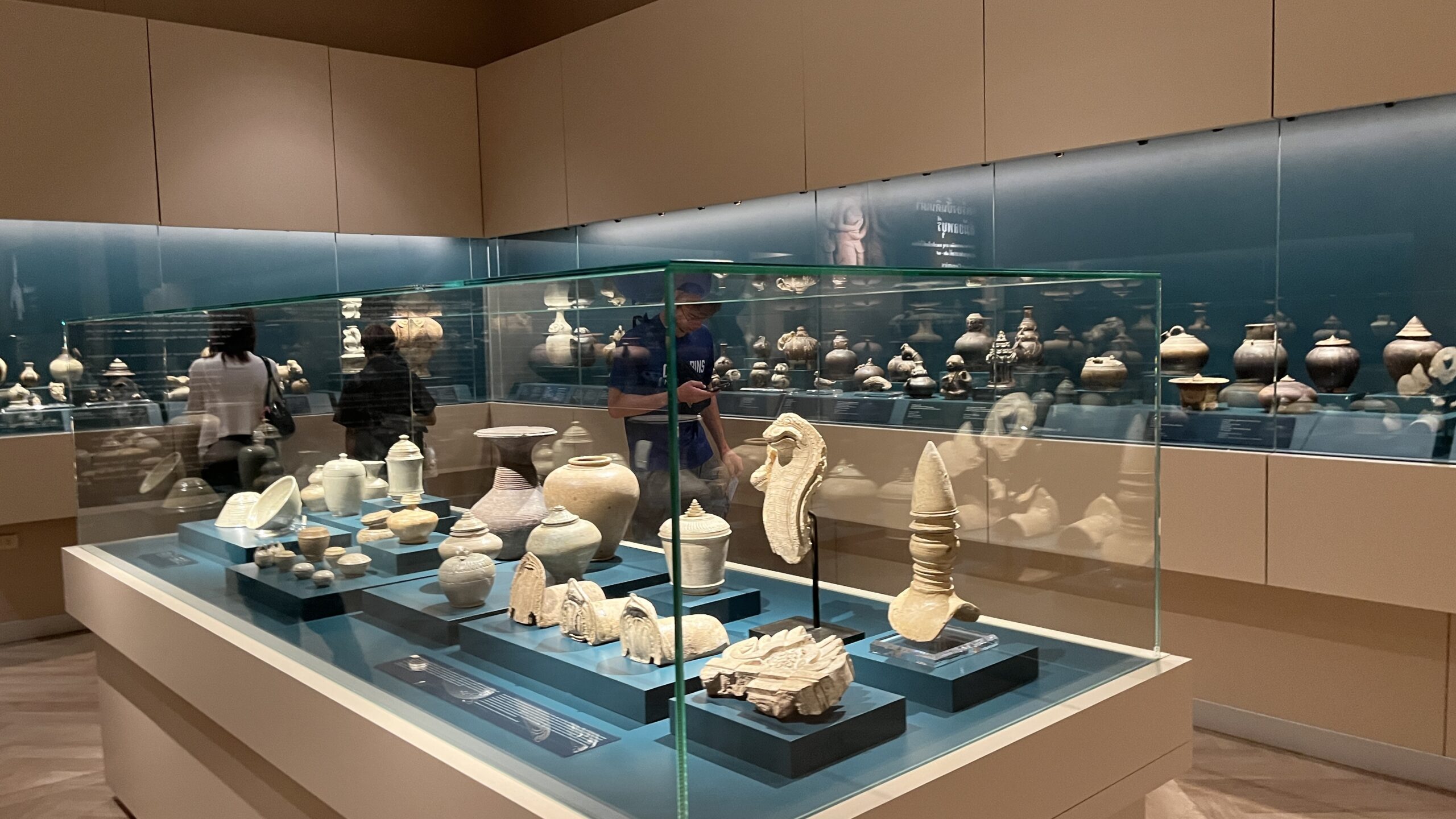


You do not need to be an expert to notice that the styles change.
Faces look different. Clothing changes. Materials change. The shape of the body, the way figures sit or stand and the way artists decorate them also change.
That made me realise how long and complex the history behind what we simply call "Thai art" really is.


History Is Also Hidden in Small Objects
One thing I really enjoyed was seeing smaller archaeological objects.
There were ceramic animals, pottery, jewellery, beads and other objects that might be easy to walk past if you only look for the biggest sculptures.
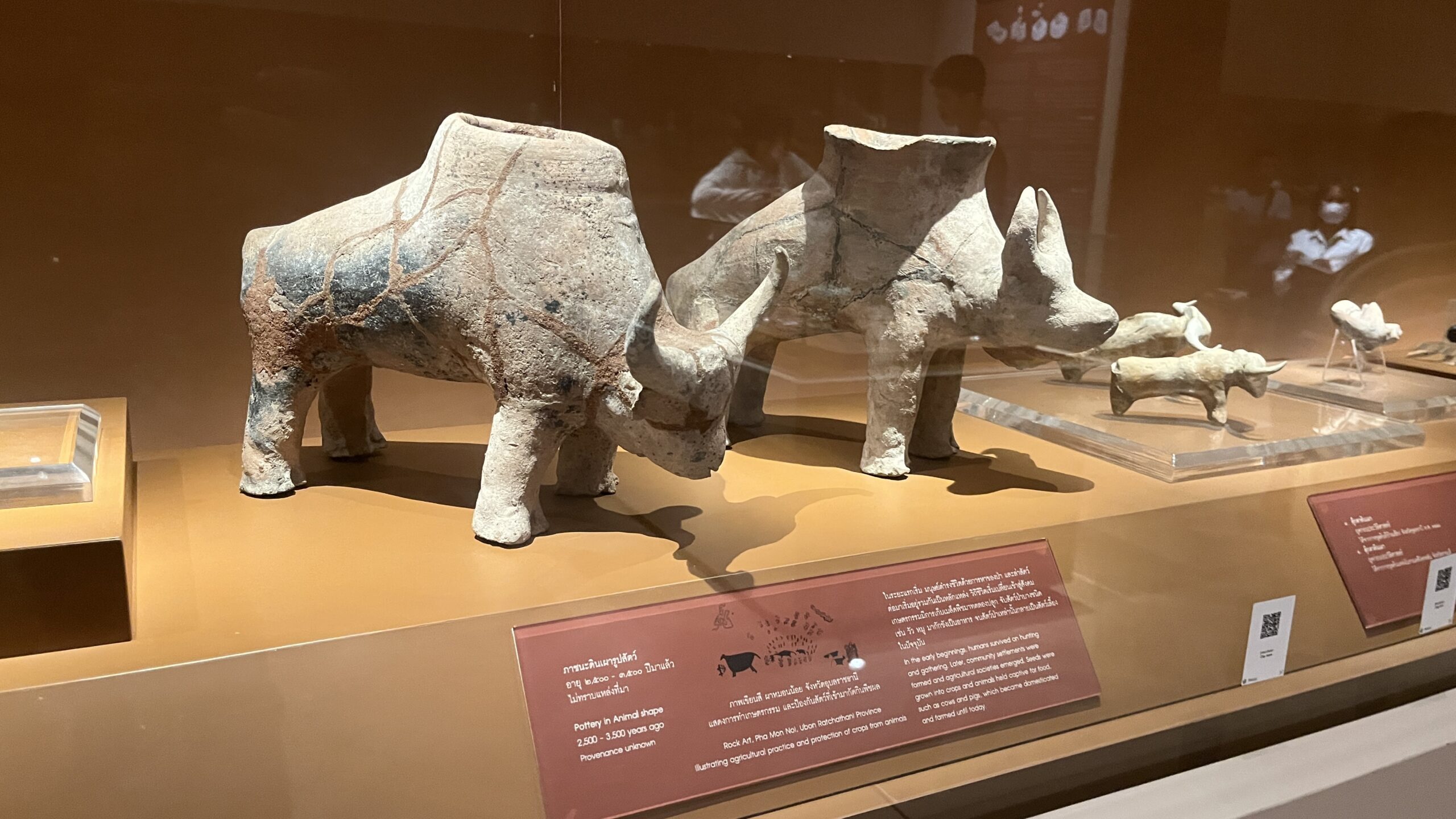


These smaller objects made history feel more human to me.
A large monument tells you about religion, power or artistic achievement. But a necklace or small bowl makes you wonder about everyday people.
Who made it? Who wore it? Who used it? What did it mean to the person who owned it?
Those little questions made these displays surprisingly memorable.


Royal Objects and Traditional Thai Craftsmanship
Later, I moved into areas filled with more royal and ceremonial objects.
This is where the museum becomes especially rich in decoration. There are gold details, lacquer work, traditional patterns, furniture, containers and architectural pieces.


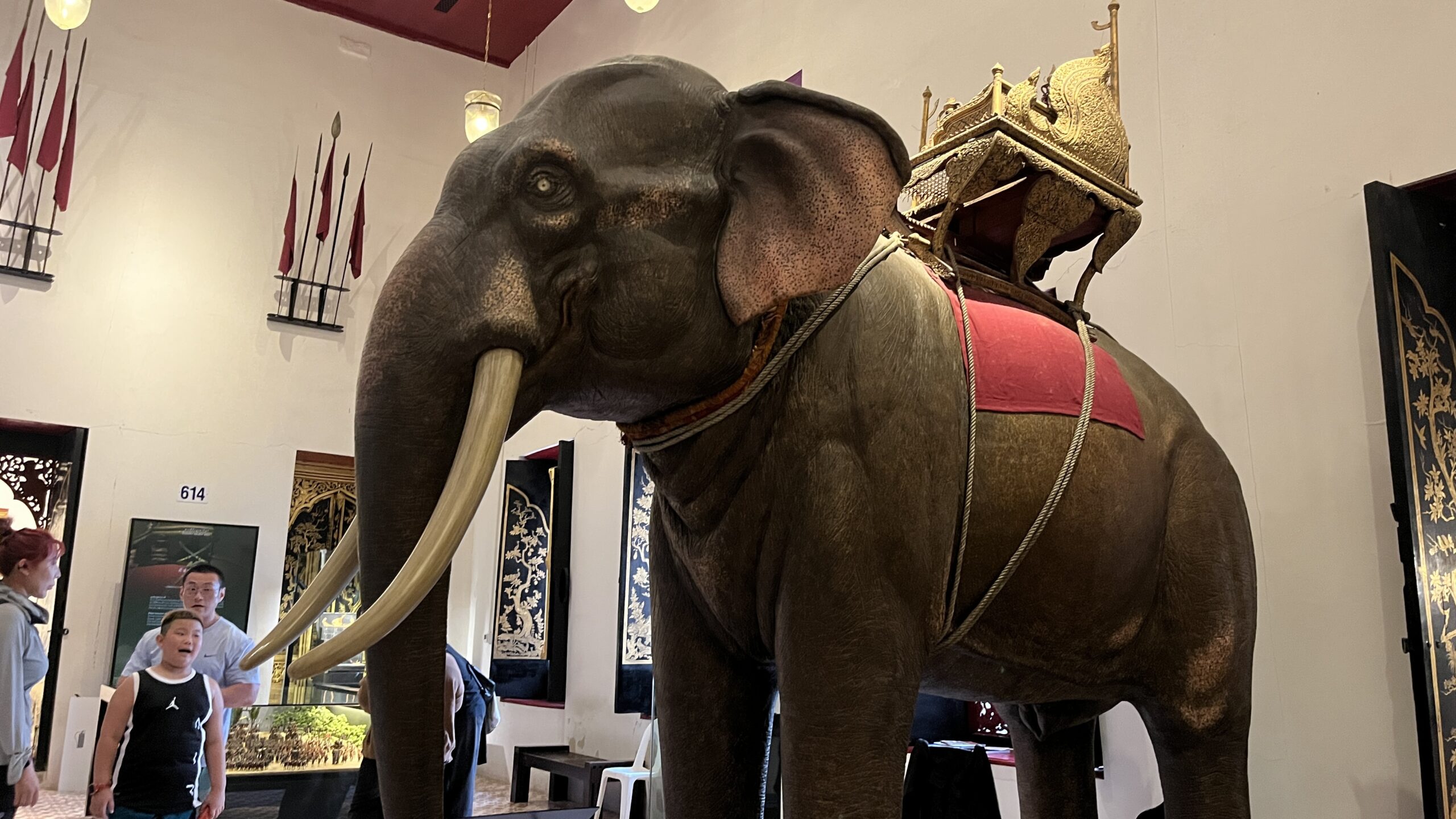

The life-sized elephant display changed the feeling again.
When you stand beside something this large, it becomes easier to imagine the scale of old ceremonies and the role elephants once played in royal and historic life.
Objects That Bring Old Thailand to Life


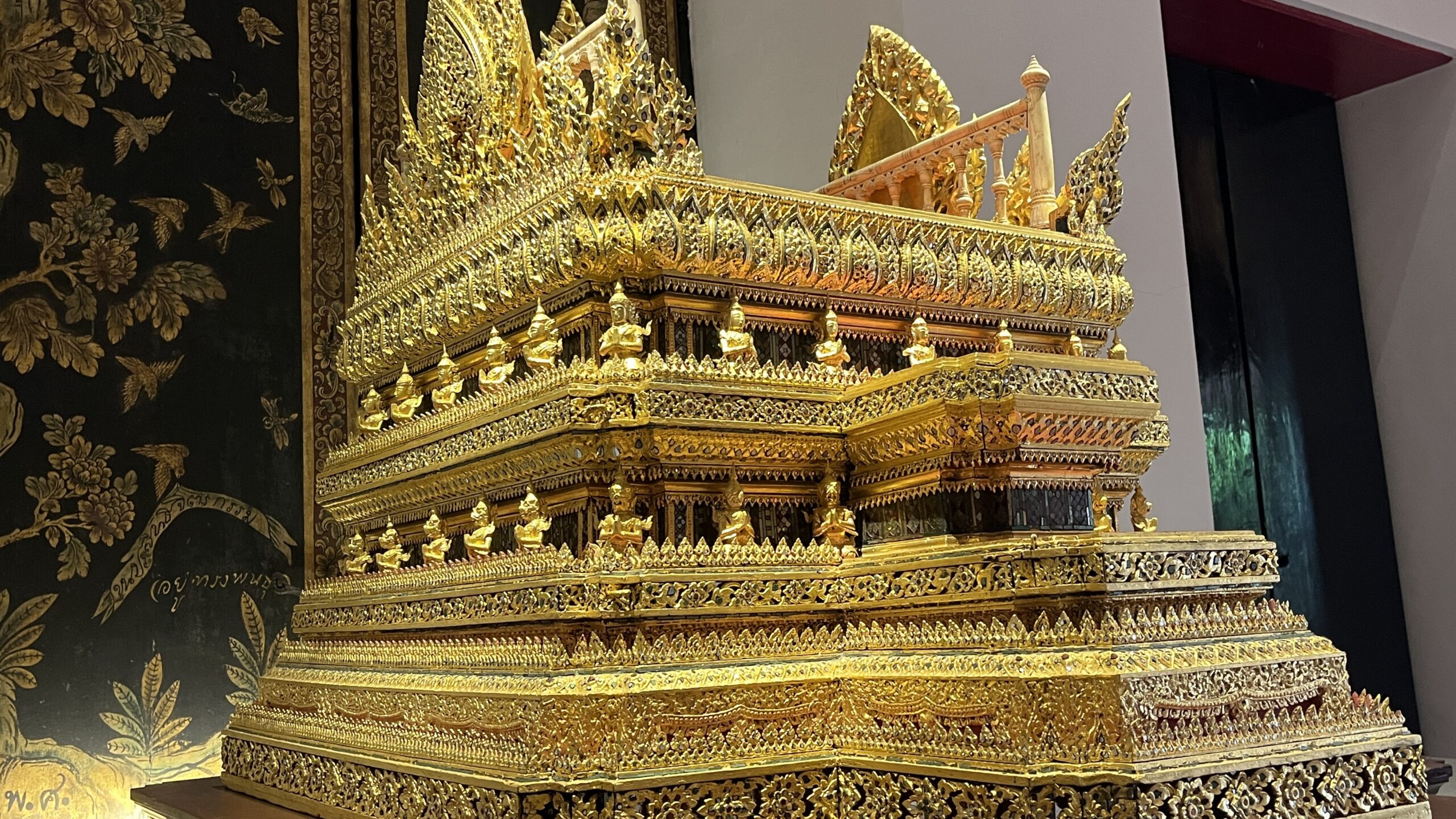

I also found miniature scenes, architectural models and decorated furniture. These pieces helped me imagine parts of the past rather than only reading about them.


A Quieter Side of the Museum
Near the later part of my visit, the atmosphere became quieter again.
I entered areas with traditional mural paintings and religious art. The darker walls, detailed stories and gold figures made me naturally slow down.


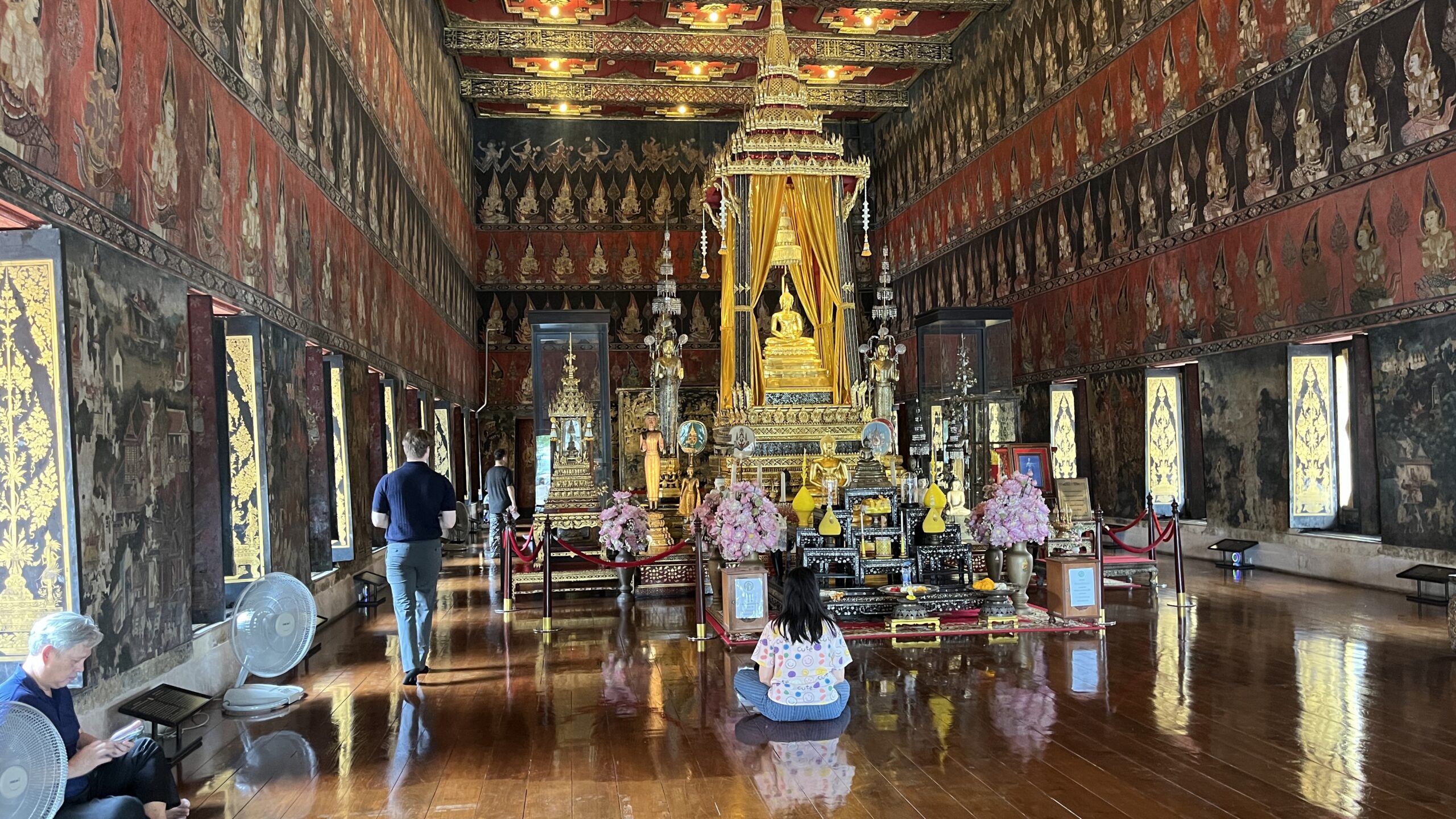
This was one of the places where I felt especially calm.
The polished floor, murals, Buddha image and traditional architecture create a completely different feeling from the modern exhibition galleries.
After spending hours looking at hundreds of objects, being somewhere quiet like this felt like a peaceful ending to the visit.
Every Room Gave Me a Different Feeling
This is probably what I remember most about the National Museum Bangkok.
It was not only about what I saw.
It was also about how each space made me feel.
Some rooms made me curious because I wanted to understand what I was looking at.
Some rooms made me calm.
Some made me feel respect, even before I fully understood the history of every object.
And one room gave me a moment that felt deeply personal.
I think this is one reason museums can be special.
Two people can walk through the same building and remember completely different things.
Someone may remember the royal boats. Someone may remember the Buddha sculptures. Another person may be fascinated by jewellery or archaeology.
For me, it was Ganesha.
Is the National Museum Bangkok Worth Visiting?
For me, definitely.
I expected a museum filled with old objects. What I found was much broader than that.
There were sculptures, religious art, Buddha images, archaeological objects, ceramics, jewellery, royal objects, ceremonial boats, furniture, traditional craftsmanship, murals and historic architecture.
There is honestly too much to fully understand during one quick visit.
But I do not think you need to understand every object to enjoy this place.
My advice: do not rush.
Walk slowly. Look carefully. Read when something catches your attention. And if one object makes you stop, allow yourself to stay there for a moment.
My Tips Before Visiting
Getting there: I travelled by MRT to Sanam Chai Station and walked around 30 minutes to the museum. The walk can be enjoyable if the weather is comfortable because you pass through Bangkok's historic area.
Time: Give yourself several hours if you enjoy history, art or photography. There are many buildings and galleries.
Shoes: Wear comfortable shoes. You will walk a lot inside the museum complex.
Photography: Take your time with photos, but remember to sometimes put the camera down and simply look.
Respect: Some areas contain religious and culturally significant objects. Enjoy them quietly and respectfully.
Before visiting: Check the latest opening days, admission fee and museum notices before travelling, as these details can change.
My Final Thought
When I left the National Museum Bangkok, I did not feel like I had simply completed another Bangkok attraction.
I felt like I had spent several hours moving through different layers of Thailand.
There was history that I understood, history that I still need to learn, and objects whose meaning I could only appreciate through their beauty and presence.
I also left with one unexpected memory.
Standing quietly in front of Ganesha.
With all due respect, that moment felt personal to me. I had felt drawn to visit, and when I finally arrived in front of the sculpture, I felt peaceful rather than excited. I did not ask for anything. I simply stood there, appreciated the moment and felt grateful that I had come.
Sometimes travelling is not only about finding a beautiful place.
Sometimes a place gives you a feeling you were not expecting.
That is what the National Museum Bangkok gave me.
And that is why I would happily visit again.